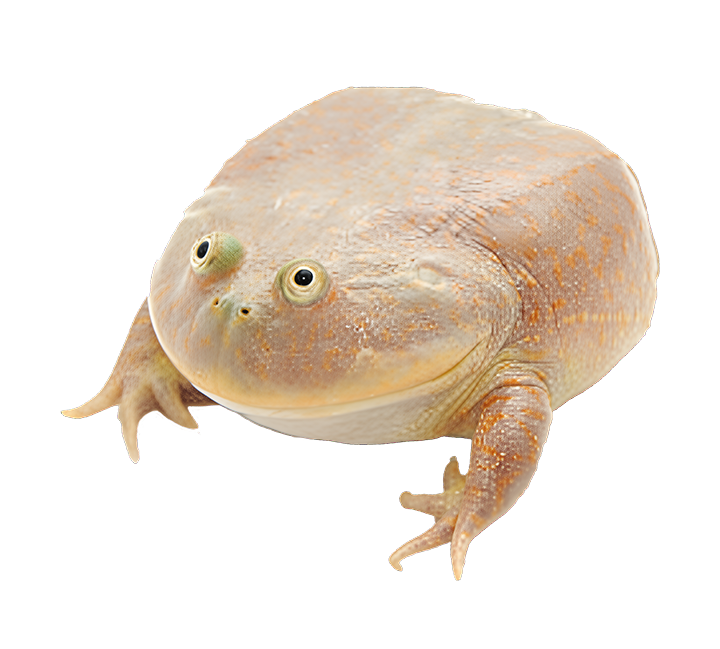
Frog Temperament: Patience and Observation

A frog’s temperament can be defined as the personification of stoic serenity. Unlike restless domestic pets, the frog possesses a contemplative and extremely patient nature. It is capable of remaining motionless for hours, observing its surroundings with imperturbable calm. This posture is not just a hunting strategy, but reflects a low-stress state where the animal seems to be in constant harmony with the slow rhythm of nature.
Despite this stillness, the frog is an animal of quick reflexes and precise instincts. It does not seek conflict, preferring discretion and camouflage as its primary defenses. When in contact with humans, they tend to be docile creatures that, while not interacting effusively, transmit a sense of profound tranquility. It is a temperament that invites the observer to slow down and appreciate the present moment, making them ideal companions for those seeking a silent and resilient presence.
Invisible Sentinels: Frogs as Human Protectors
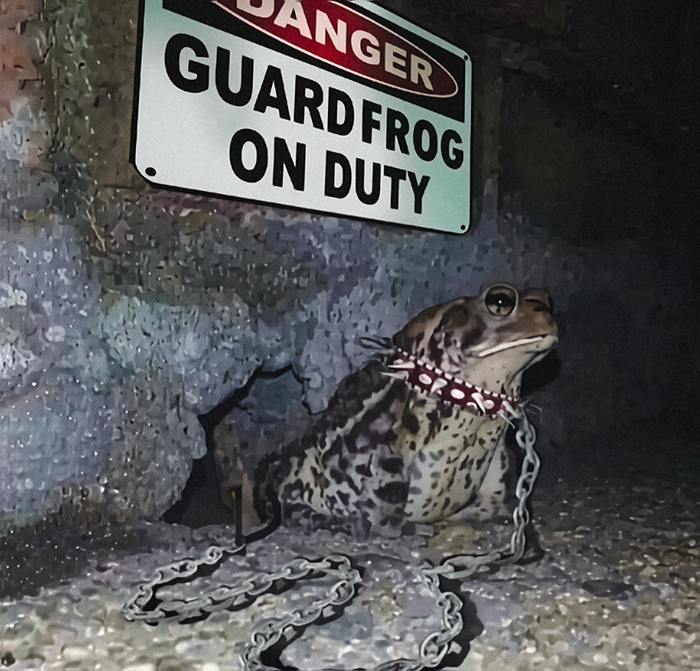
Frogs act as true biological guardians of human homes and crops. Their main protective role occurs through the invisible control of disease vectors; by consuming mosquitoes, flies, and other insects that transmit illnesses like dengue or malaria, they create a natural sanitary shield around our houses. Without the unceasing work of these amphibians, the balance between urbanization and pests would be much harder to maintain, requiring the excessive use of harmful chemicals.
In addition to direct health protection, they are protectors of environmental integrity. As bioindicators, their presence in a garden is a sign that the local ecosystem is free from dangerous toxins. They "protect" humans by alerting us, through their own health and vitality, about the quality of the air and water we also consume. Having frogs nearby is like having an environmental security team working 24 hours a day to ensure the environment remains safe and habitable.
The Affectionate Side: Love on a Different Frequency
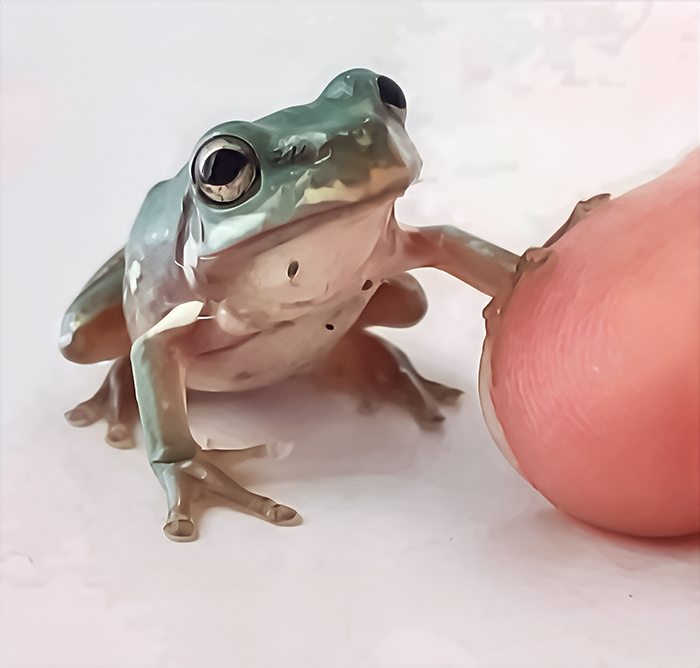
Although they lack soft fur to be petted, frogs demonstrate a very particular and subtle form of affection. They express trust by choosing areas close to humans for shelter, recognizing us as non-threatening figures in their habitat. For an amphibian enthusiast, the act of a frog accepting food from a human hand or remaining calm while being observed closely is a genuine demonstration of mutual connection and safety.
Many frog species also exhibit surprisingly zealous parental behaviors, demonstrating an intrinsic capacity for care and "affection" toward their offspring. There are frogs that carry their tadpoles on their backs or protect them in small puddles, ensuring the little ones survive. This instinctive dedication is one of the purest forms of affection in nature, revealing that behind the cool, damp skin, there is a heart dedicated to the well-being of those within its circle of life.
Finally, a frog's affection is felt through its loyalty to a location. A frog that decides to live in your garden year after year is, in its own way, choosing your company. They become familiar faces in the twilight, offering a comforting presence that, while not involving hugs, brings a unique emotional warmth to those who have learned to read the signs of friendship from this small, jumping companion.